
Ceramic Coating Repair in Hagerstown, MD and Frederick, MD
If your ceramic coating looks streaky, cloudy, dull, or uneven, you may wonder whether the entire coating needs to be removed and reapplied. The answer depends on the type of issue, how severe it is, and how long the coating has been on the vehicle. In many cases, minor ceramic coating problems can be corrected without fully removing the coating. However, deeper defects may require polishing, spot correction, or partial reapplication to restore the finish properly.
For drivers in Hagerstown, Frederick, nearby West Virginia, and Pennsylvania, ceramic coating can be a valuable way to protect a vehicle from road grime, hard water, winter salt, bug splatter, sun exposure, and frequent driving conditions. When the coating is applied correctly, it helps preserve gloss, improve water behavior, and make regular maintenance easier. When it is applied poorly or not maintained properly, visible issues can appear and reduce the clean finish you expected.
At
Stotties Mobile Auto Detailing, we help vehicle owners understand what went wrong, what can be repaired, and when professional ceramic coating correction is the safest option.
What Does a Bad Ceramic Coating Look Like?
A ceramic coating issue is not always obvious at first. Some problems look like dirt, water marks, or normal wear, but they may actually be signs of improper application, contamination, or coating failure.
Common signs of a bad ceramic coating include:
High spots: These often look like dark patches, streaks, or dull areas. High spots usually happen when excess coating was not properly leveled during installation.
Water spots: These appear as cloudy or white mineral marks. They are often caused by hard water drying on the surface, especially if the coating was still curing or if the vehicle was exposed to minerals for too long.
Haze or fogging: A milky or cloudy film may appear when contaminants are trapped under the coating or when the coating does not cure evenly.
Swirl marks and fine surface marks: These may show up under direct light and are often caused by improper washing, drying, or polishing methods.
Peeling or flaking: This is a more serious issue that may point to poor surface prep, chemical damage, or failed bonding.
The first step is identifying whether the problem is on top of the coating or within the coating itself. A professional inspection using proper lighting can help reveal streaks, uneven gloss, haze, and areas where the coating may need correction.
Can Ceramic Coating Problems Be Fixed Without Full Removal?
Yes, some ceramic coating problems can be fixed without removing the entire coating. Minor high spots, light streaking, early water spots, and small dull patches may be repairable with careful correction. The goal is to improve the affected area while preserving as much of the existing protection as possible.
However, not every issue can be repaired with a quick touch up. Severe haze, heavy water spot etching, peeling, uneven bonding, or widespread coating failure may require partial or full polishing before new ceramic coating is applied. This is why diagnosis matters. Treating every problem the same way can make the finish worse or reduce the coating’s protective value.
What Affects Ceramic Coating Repair?
Several factors determine whether a coating can be corrected without full removal.
The first factor is the type of coating. Some coatings are easier to level or correct, while harder coatings may need careful machine polishing to address defects. The exact product, thickness, curing behavior, and application process can all affect the repair method.
The second factor is the severity of the defect. A small high spot on one panel is very different from haze across the entire hood or roof. Localized issues may only need spot correction, while large areas may require more detailed polishing and reapplication.
The third factor is the age of the coating. Newer coatings may still be curing and can sometimes respond differently to correction methods. Older coatings are usually harder and more bonded to the paint, which means polishing may be needed to remove or improve problem areas.
The fourth factor is surface condition. If the paint was not properly cleaned, decontaminated, or corrected before the coating was applied, the issue may be deeper than the coating itself. In that case, a professional detailer may need to address the paint surface before applying new protection.
DIY Ceramic Coating Repair Methods
Some minor ceramic coating issues can be improved with careful maintenance or spot correction, but DIY repair should be approached cautiously. Using the wrong product, too much pressure, or an aggressive polish can damage the finish or create more uneven results.
For light surface contamination, a proper wash using a pH neutral car shampoo may help remove dirt, grime, or residue sitting on top of the coating. If the issue is caused by mineral deposits, a coating safe water spot remover may help, but it should be used carefully and tested in a small area first.
For minor high spots, some experienced applicators may use a small amount of compatible coating material to help level the affected area. This method requires product knowledge, timing, and precision. It is not always recommended for vehicle owners who are unfamiliar with ceramic coating behavior.
For dull patches or light streaking, gentle polishing may help improve the area. However, polishing can reduce or remove the coating in that section. If polishing is used, the corrected area may need ceramic coating reapplied to restore protection and visual consistency.
DIY correction may be reasonable for very minor issues, but if the coating looks cloudy, patchy, sticky, smeared, or uneven across multiple panels, professional help is the safer choice.
When Professional Ceramic Coating Repair Is the Better Option
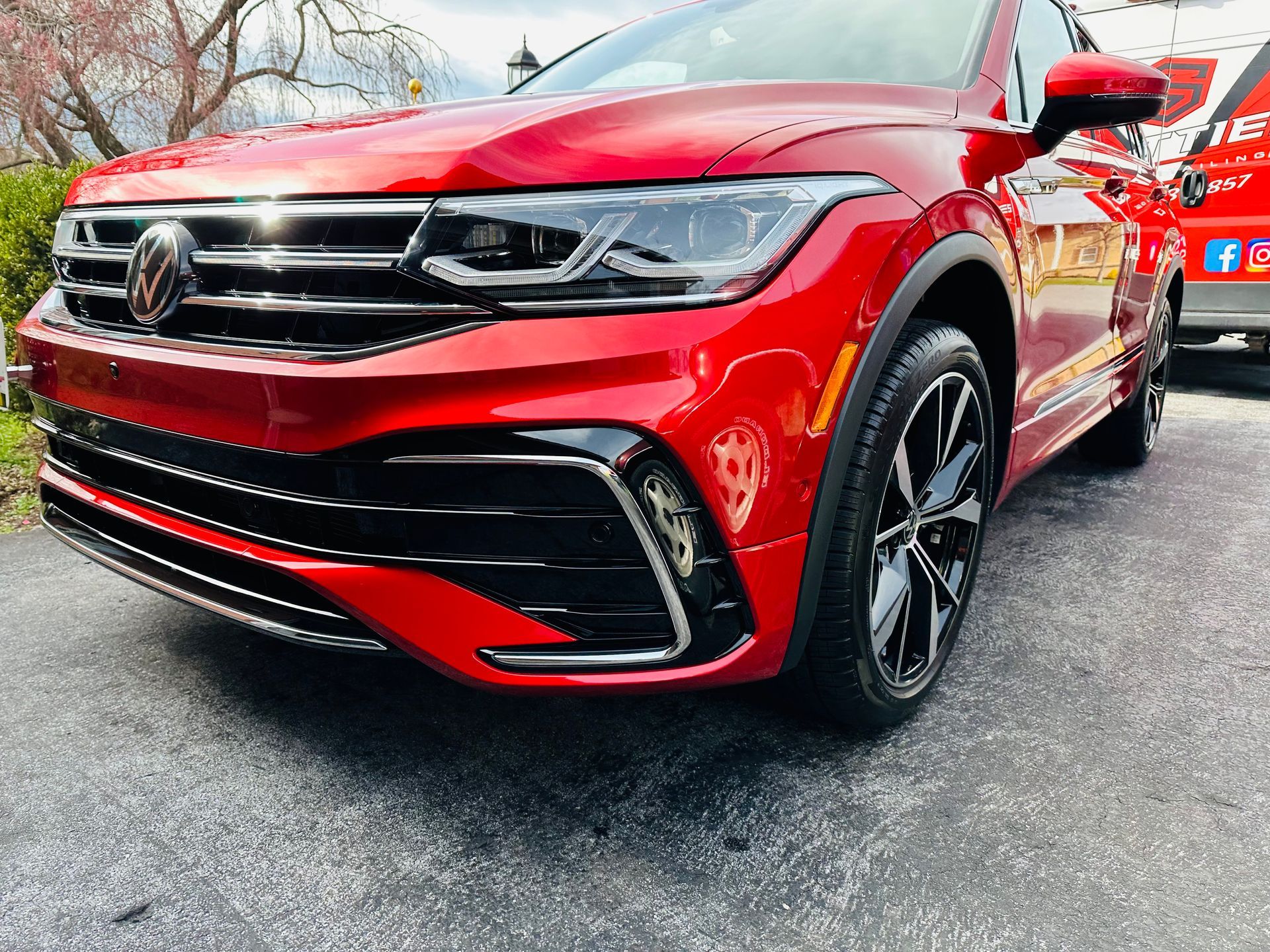
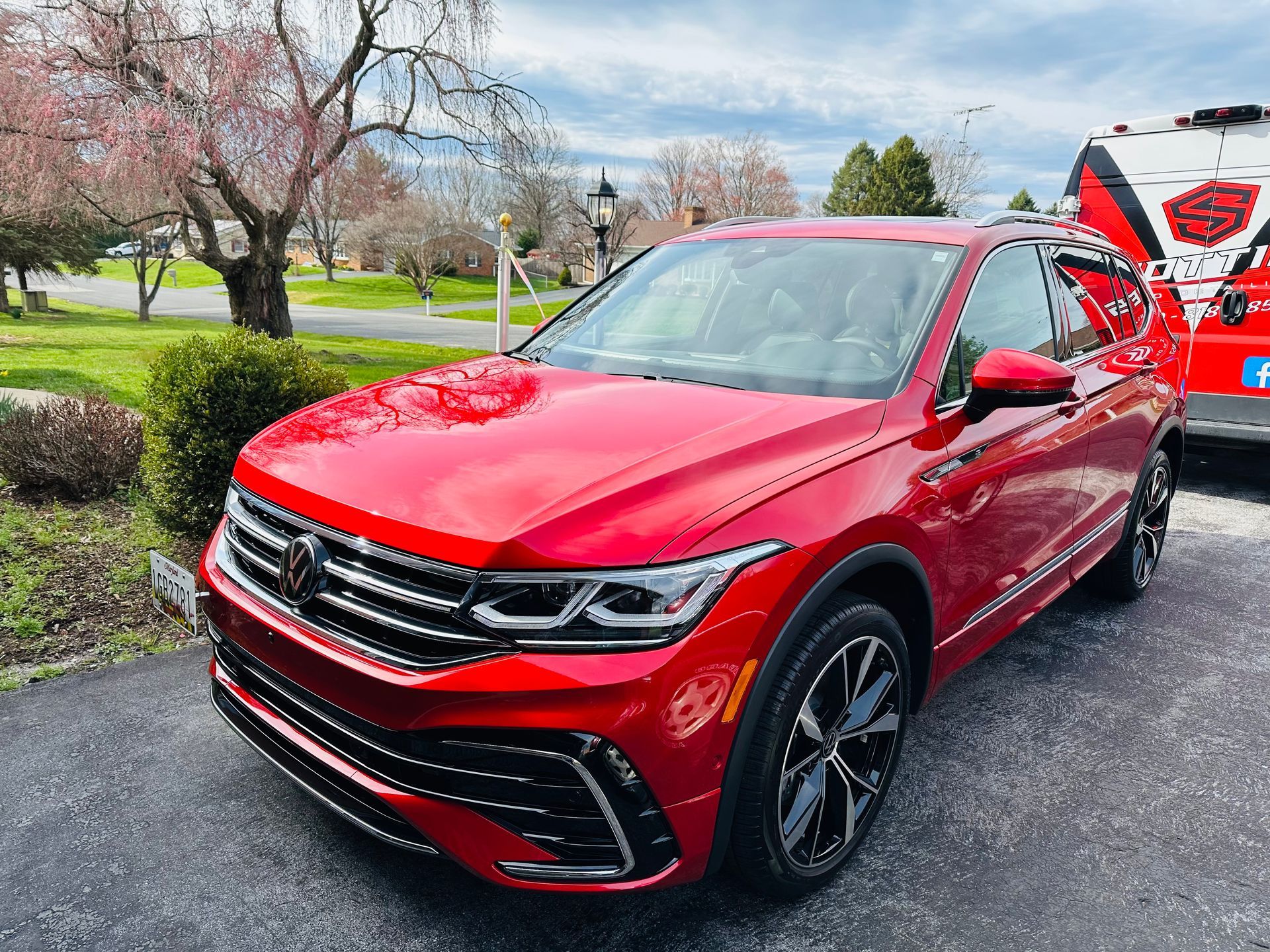
Professional ceramic coating repair is recommended when the issue affects a large area, when the coating has visible high spots, when water spots appear etched into the surface, or when the finish looks uneven after washing. It is also the better option if you are unsure what product was used or how the coating was originally applied.
Stotties Mobile Auto Detailing can inspect the vehicle, identify the type of defect, and recommend the right correction path. Depending on the condition, the solution may involve deep cleaning, water spot treatment, spot polishing, machine polishing, or partial ceramic coating reapplication.
Professional correction helps reduce guesswork. Instead of trying multiple products and risking further damage, a trained detailer can use the correct process for the coating and paint condition. This is especially important for drivers in Hagerstown, Frederick, West Virginia, and Pennsylvania, where vehicles may face road salt, changing weather, hard water, and daily driving buildup.
How to Prevent Ceramic Coating Problems in the Future
The best way to avoid ceramic coating problems is to start with proper preparation and continue with consistent maintenance. Before a coating is installed, the paint should be washed, decontaminated, inspected, and corrected as needed. Any oils, residues, or embedded contaminants left behind can interfere with bonding and cause uneven results.
After installation, the coating needs proper curing time. Avoid harsh chemicals, automatic brush washes, and unnecessary water exposure during the early curing period. Your installer should explain the recommended care instructions based on the specific coating used.
Ongoing maintenance also matters. Wash the vehicle regularly with a coating-safe, pH-neutral shampoo. Use clean microfiber towels and proper drying methods to reduce the risk of fine surface marks. Remove bird droppings, bug splatter, and tree sap as soon as possible because they can stain or etch the surface if left too long.
A ceramic coating maintenance spray or topper may also help refresh water behavior and slickness when used correctly. Annual inspections are helpful because small issues can often be addressed before they become major coating failures.
Do You Need Ceramic Coating Repair or Reapplication?
If your ceramic coating has light streaks, minor high spots, or early water spots, it may be possible to fix the issue without removing the entire coating. If the coating is peeling, heavily hazed, uneven across multiple panels, or failing to bond properly, partial or full correction may be needed.
The safest next step is a professional inspection. Stotties Mobile Auto Detailing provides mobile detailing and ceramic coating support for drivers in Hagerstown, Frederick, MD, and surrounding areas of West Virginia and Pennsylvania. We can help determine whether your coating needs cleaning, polishing, spot repair, or reapplication.
Get Professional Ceramic Coating Help From Stotties Mobile Auto Detailing
A bad ceramic coating does not always mean you need to start over, but it does mean the surface should be handled carefully. The right repair method can restore gloss, improve protection, and help your vehicle look cleaner for longer.
If you are dealing with ceramic coating streaks, haze, water spots, or uneven gloss, contact Stotties Mobile Auto Detailing today. We bring professional mobile detailing service to Hagerstown, Frederick, MD, and nearby West Virginia and Pennsylvania communities.
Contact us or call
(240) 818-1857 to schedule ceramic coating inspection, correction, or maintenance for your vehicle.
Stotties Detailing Blog